
Early orthodontic treatment guides your child’s jaw and teeth while they are still growing, often making later care shorter and simpler. At TG Orthodontics in Marlboro, NJ, it starts with a complimentary age 7 orthodontic evaluation, where we tell you honestly whether your child needs help now or just periodic check-ups.
No referral is needed. Schedule your child’s evaluation or call (732) 617-1211.
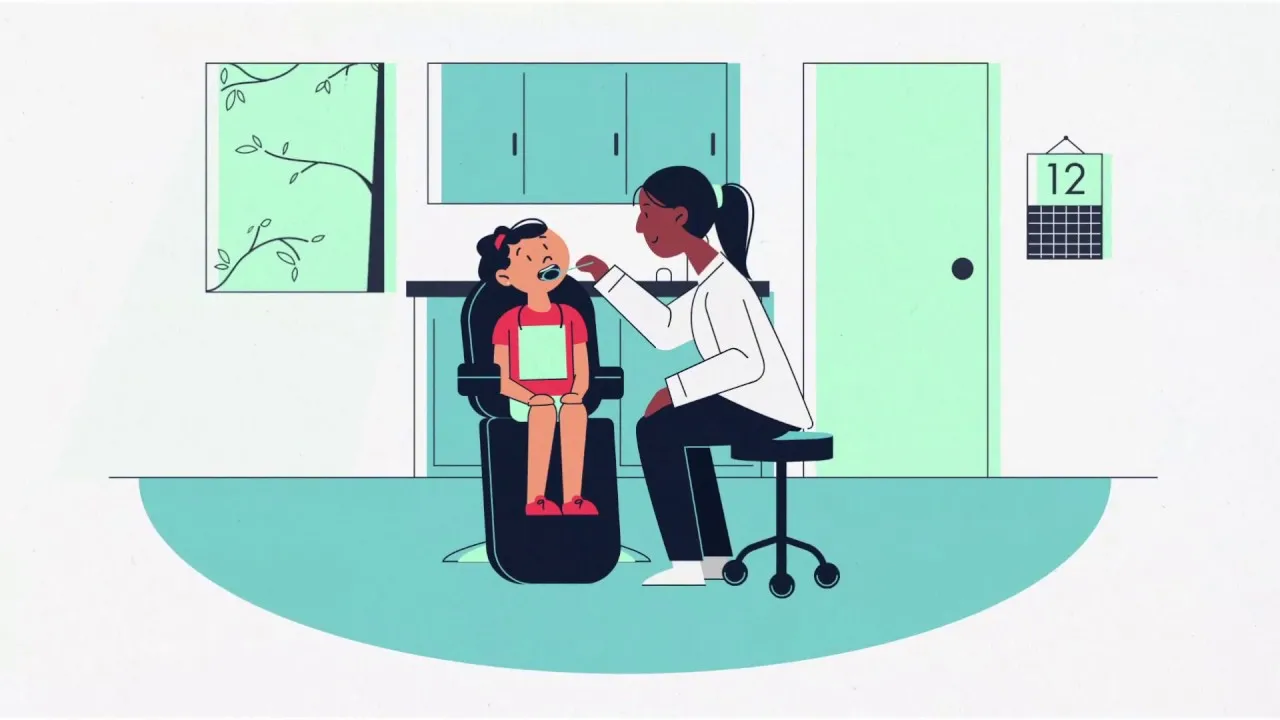
What is early orthodontic treatment?
Also called Phase 1 orthodontics or interceptive orthodontics, it takes place while a child still has a mix of baby and permanent teeth. Rather than waiting for problems to set in, we use growth to our advantage.
The goals are practical:
- Guide jaw growth so the upper and lower jaws fit together
- Create room for permanent teeth that are crowded or blocked
- Correct crossbites and other bite problems before they worsen
- Address habits such as thumb sucking or mouth breathing
- Support balanced facial development
- Reduce the chance of extractions or jaw surgery later
When should a child see an orthodontist?
The American Association of Orthodontists recommends a first visit by age 7. By then, the first permanent molars and front teeth have usually arrived, which shows us how the bite is developing.
An evaluation is not the same as starting braces. Most children we see at this age simply need monitoring, and we’ll schedule growth check-ups so nothing is missed.
Signs your child may benefit from early orthodontic treatment
- Crowded or overlapping front teeth
- Baby teeth lost very early or very late
- A crossbite, underbite, or deep overbite
- Upper front teeth that stick out
- Mouth breathing or snoring
- Thumb or finger sucking past age 5
- Trouble chewing or certain speech sounds
If you’ve been searching “when should a child see an orthodontist,” any of these signs is a good reason to book now rather than wait.
Is early orthodontic treatment always necessary?
No, and we’ll never recommend it just to start sooner. Many children do best with monitoring until all permanent teeth arrive.
Early orthodontic treatment makes sense when waiting would let a problem grow harder to fix, such as a narrow upper jaw, a crossbite that shifts the jaw, or severe crowding that blocks incoming teeth.
How does the process work?
Evaluation: digital imaging, an iTero 3D scan, and a full bite analysis.
Personalized plan: if treatment is needed, we explain the goal, the appliance, and the expected timeline.
Active phase: treatment usually lasts 9 to 12 months.
Resting phase: we monitor as the remaining permanent teeth erupt.
Phase 2, if needed: braces or aligners later on, often shorter than they would have been.
Which appliances are used in early orthodontic treatment?
Every plan is tailored, but common tools include:
- Palatal expanders to widen a narrow upper jaw
- Space maintainers to hold room after a baby tooth is lost early
- Partial braces on a few front teeth
- Invisalign First aligners for ages roughly 6 to 10
- Habit and growth-modifying appliances when needed
Many parents ask us about a removable palate expander for kids. The Invisalign Palatal Expander has no keys or screws, which makes it a comfortable palate expander for kids who would struggle with a fixed appliance.
When mouth breathing or snoring is part of the picture, we may also discuss airway orthodontics.
What are the long-term benefits?
When it is truly needed, early orthodontic treatment can pay off for years. Parents often notice:
- Fewer permanent tooth extractions
- A lower likelihood of jaw surgery later
- Shorter, simpler treatment in the teen years
- Easier nasal breathing and clearer speech in some children
- More confidence as your child’s smile develops
Will your child still need braces later? Sometimes, yes. The difference is that a second phase after early orthodontic treatment is usually shorter and focused on fine-tuning rather than major correction.
What does early orthodontic treatment cost?
Cost depends on the appliance and how long active treatment lasts. Many dental plans include orthodontic benefits for children, and our team will coordinate your coverage.
Payment is flexible too, with interest-free monthly plans. The first evaluation is complimentary, so you can get answers before making any decision.
Why parents trust Dr. Gostovich with interceptive orthodontics
Tara Gostovich, DMD, is an ABO board-certified orthodontist recognized by Top Dentists NJ. She takes a conservative approach and recommends Phase 1 orthodontics only when the benefits are clear.
Families from Morganville, Manalapan, and the surrounding area appreciate her calm way with young patients and her clear explanations for parents.
Book your child’s early orthodontic treatment evaluation
The best time to ask questions is before a small issue becomes a bigger one. An age 7 orthodontic evaluation takes less than an hour and gives you a clear picture of your child’s development.
Call (732) 617-1211 or request a complimentary visit at our Marlboro office on County Road 520.